
Science, nature and knowledge in Panama

Panamensis

An independent research programme exploring the histories of science and nature in Panama through archives, collections, landscapes and people.

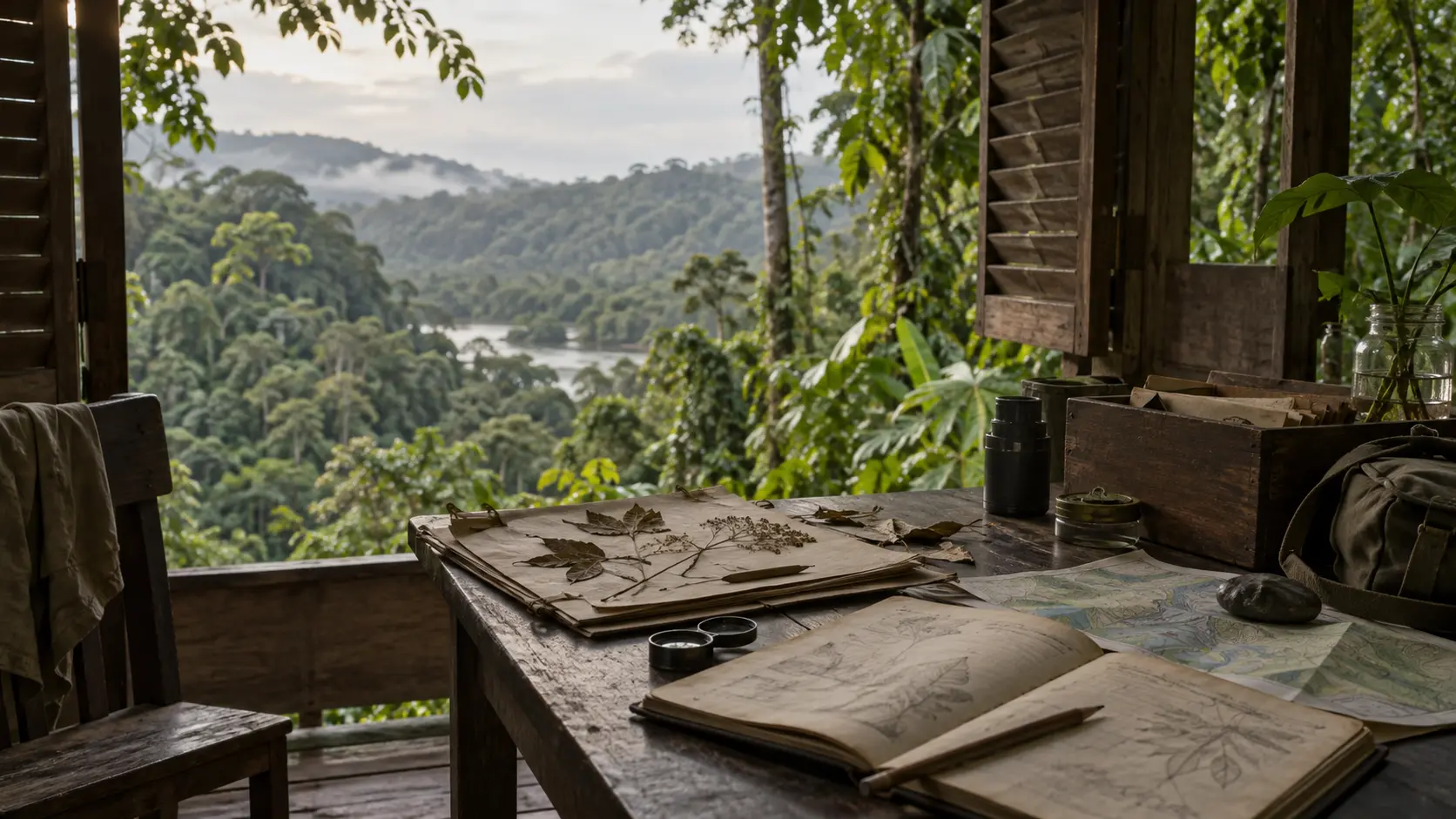
A research table with field notebooks, plant specimens and maps overlooking tropical forest

What is Panamensis?

A history scattered across many places.

Why it existsFor more than a century, Panama has been a meeting place for tropical research, international expeditions, biological collecting, conservation and the study of the natural world. The records of that history are now dispersed across institutions, countries and collections.

What it doesPanamensis finds those records, connects them and uses them to tell stories about the people, places, organisms and institutions through which knowledge about Panama was created.

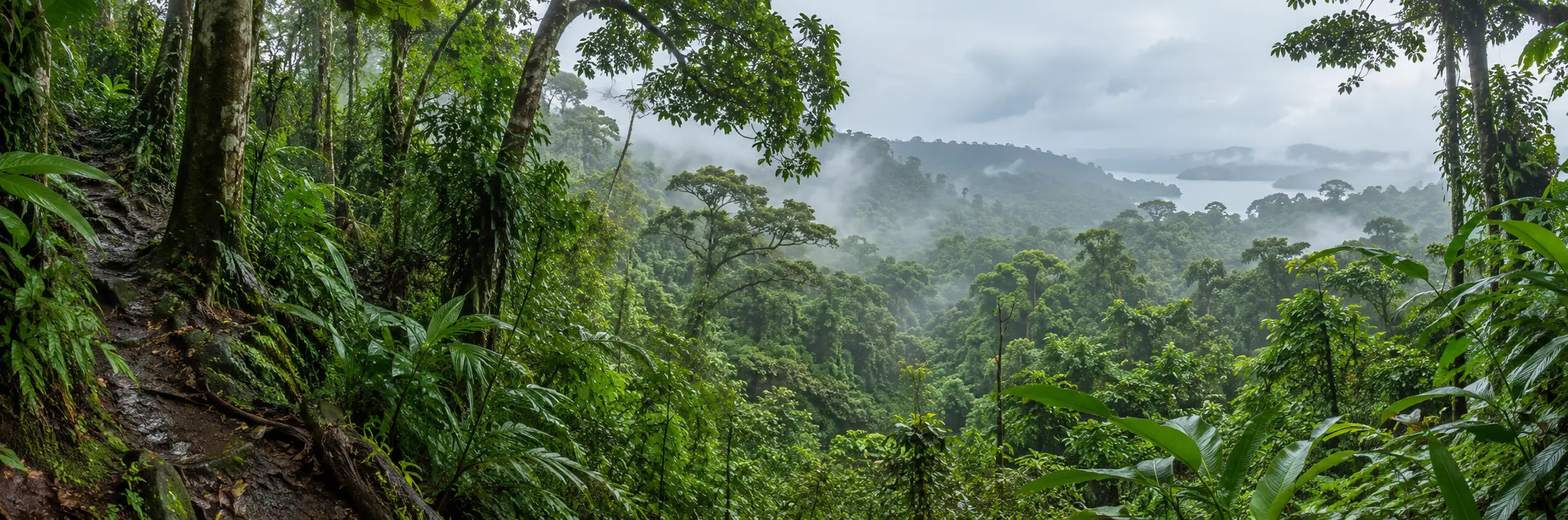
Panoramic view across tropical forest and water in Panama
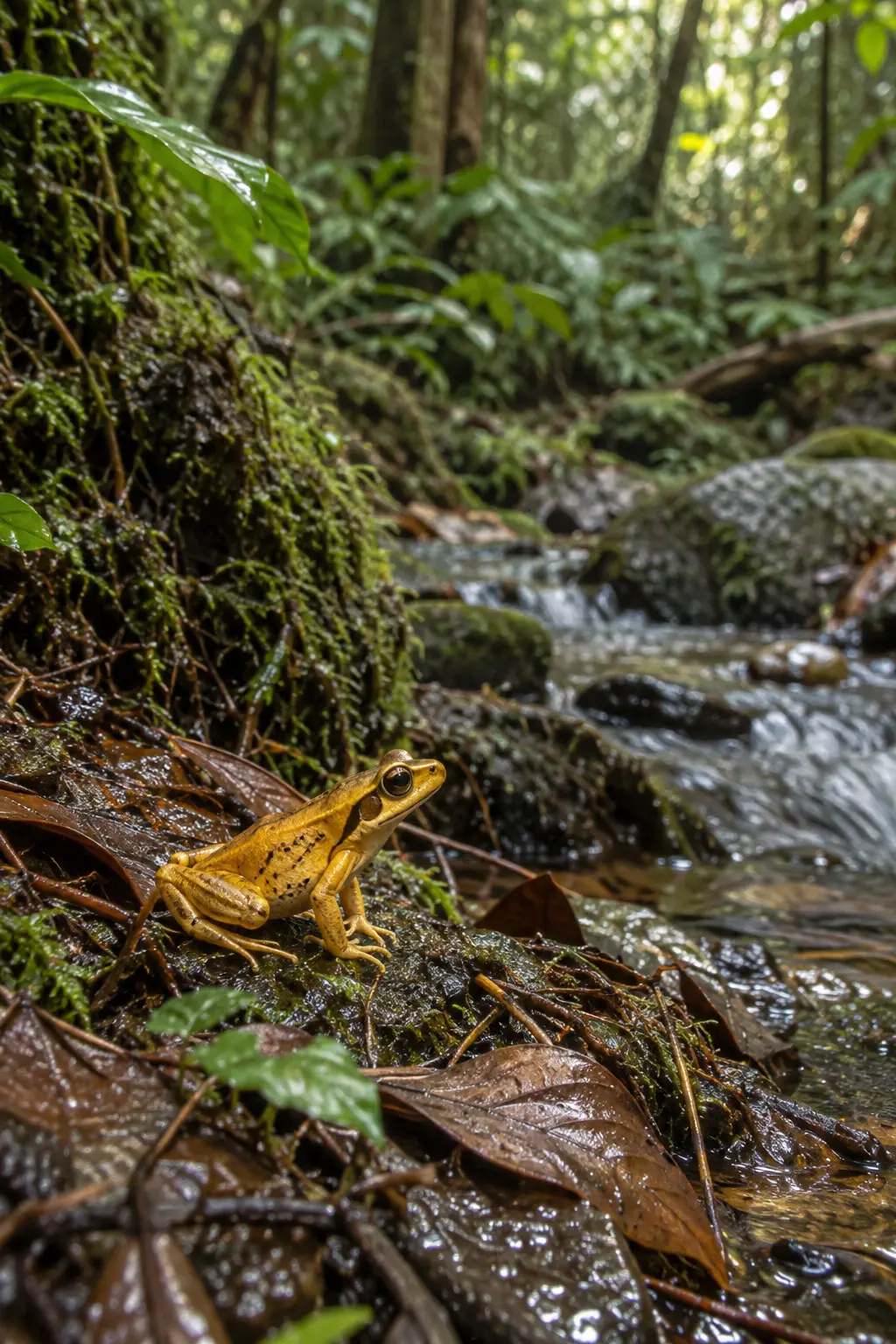
A golden-coloured frog beside a forest stream

Featured story

Barro Colorado: when a landscape becomes a laboratory

How did Panama’s forests, islands, rivers and coasts become places of international scientific attention?

A story can begin with a field station, a specimen label or a photograph—and lead outward to the people who worked there, the institutions that employed them and the landscapes transformed by research.

Read the research behind the story
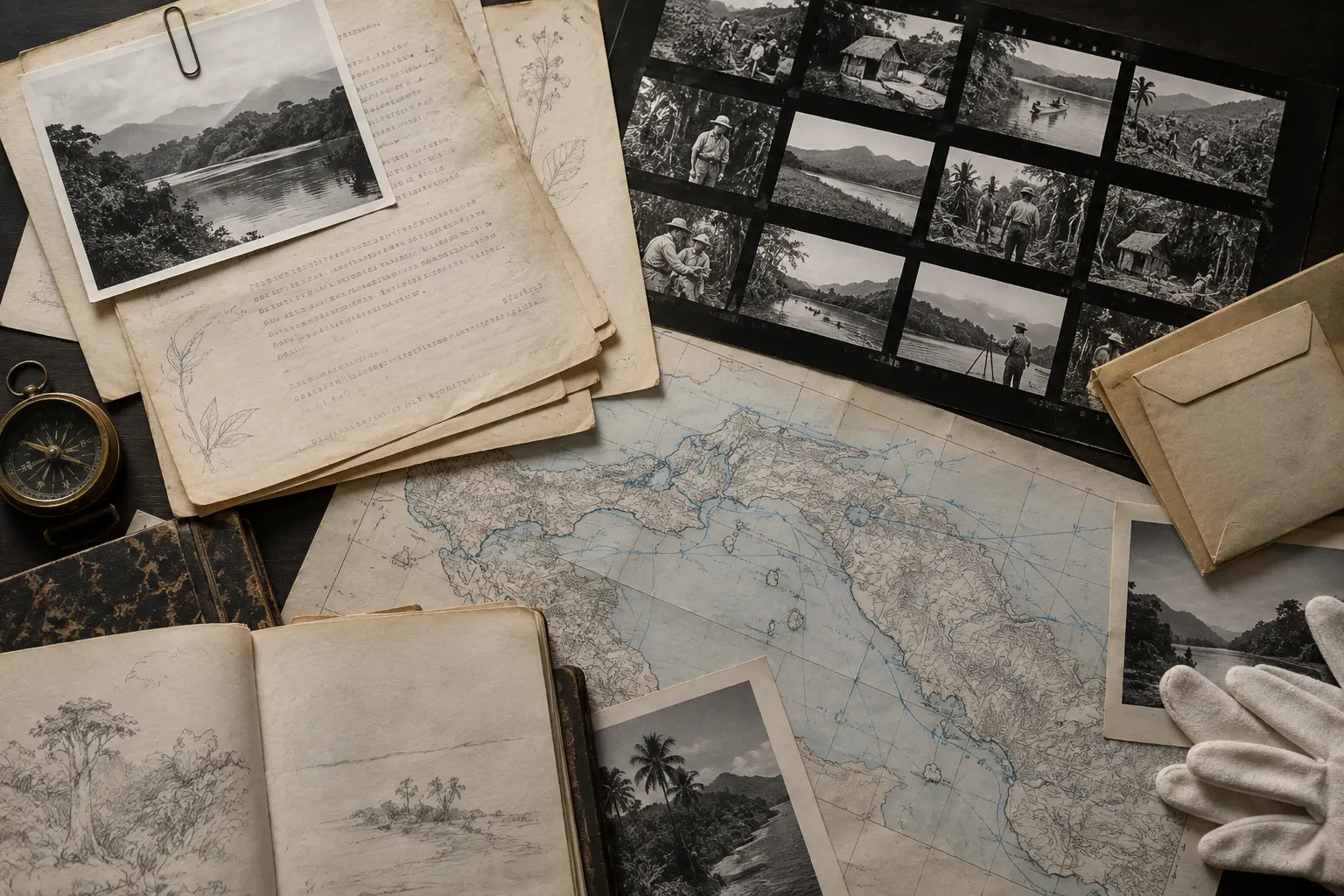
Maps, notebooks, photographs and archival papers arranged on a research table

From the archive

One document can open an entire history.

A field notebook is never only a notebook.

The record currently highlighted in the public corpus is RU 134 finding aid. Like a notebook, photograph or specimen label, it can connect people, places, institutions, fieldwork, collections and later publications without losing the context of the original source.

PersonPlaceFieldworkSpeciesCollectionStory
Explore sources
Field notebooks, plant specimens and maps on a tropical research table

Research agenda

What Panamensis is investigating.

Research does not arrive fully finished. Panamensis shows work already underway, questions waiting to be opened and longer histories that will require time, access and collaboration.

Active research

Work already underway

Current documentary investigations producing sources, stories, identifications and new connections.

Coming next

Defined questions ready to open

Research that can advance as archival access, time, partnerships and resources allow.

Longer horizon

The wider programme

Large historical territories and dispersed collections identified for future investigation.

Current research · Dossier

Case A: Barro Colorado / James Zetek / CZBA

Can the production model represent the institutional, documentary, specimen and role history of Barro Colorado without flattening contested metadata?

Explore the dossier
Archival papers, maps and historical photographs arranged across a table

Recently in Panamensis

A conflicting documentary date

The comparison of catalogue and finding-aid records identified competing 1939 and 1940 transition dates and differences in role chronology. Primary legislation remains unexamined.

Read the update

Collaborate

Do you hold a piece of this history?

Panamensis welcomes documentary leads, corrections, identifications, oral testimony, information about collections and research partnerships.

Ways to contribute

About Panamensis

An independent research programme.

Panamensis studies the histories of science, nature, environment and knowledge in Panama. It brings together evidence dispersed across archives, libraries, museums, biological collections, publications, private papers, landscapes and personal memory.

The programme is developed by librarian, archivist and researcher Edgardo Civallero. Its public work includes stories, research dossiers, documentary sources, data, publications and opportunities for collaboration.

About the project